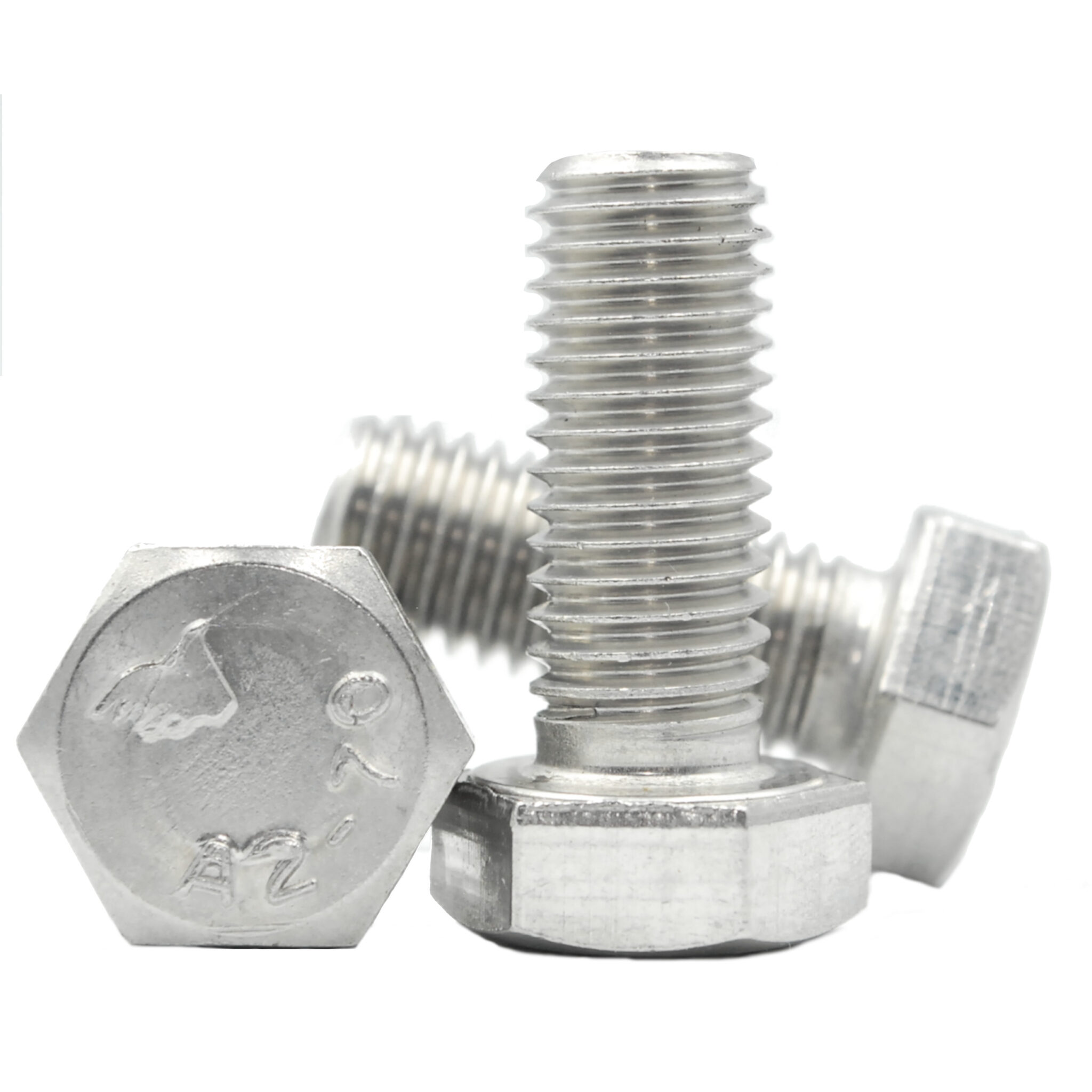
 DIN 933
BoltsA2/A4
Bullon me kokë gjashtëkëndore dhe filetim në të gjithë gjatësinë, për montim me dado ose në vrimë të filetuar.
M3 to M30
A2 (304) · A4 (316) · Standardet DIN/ISO
Bullona, vida, dado, rondela dhe shufra të filetuara inox A2/A4, për montime mekanike të qëndrueshme dhe rezistente ndaj korrozionit.

Search instantly by standard number (e.g. 933) or select a category from the sidebar.
DIN 933Bullon me kokë gjashtëkëndore dhe filetim në të gjithë gjatësinë, për montim me dado ose në vrimë të filetuar.
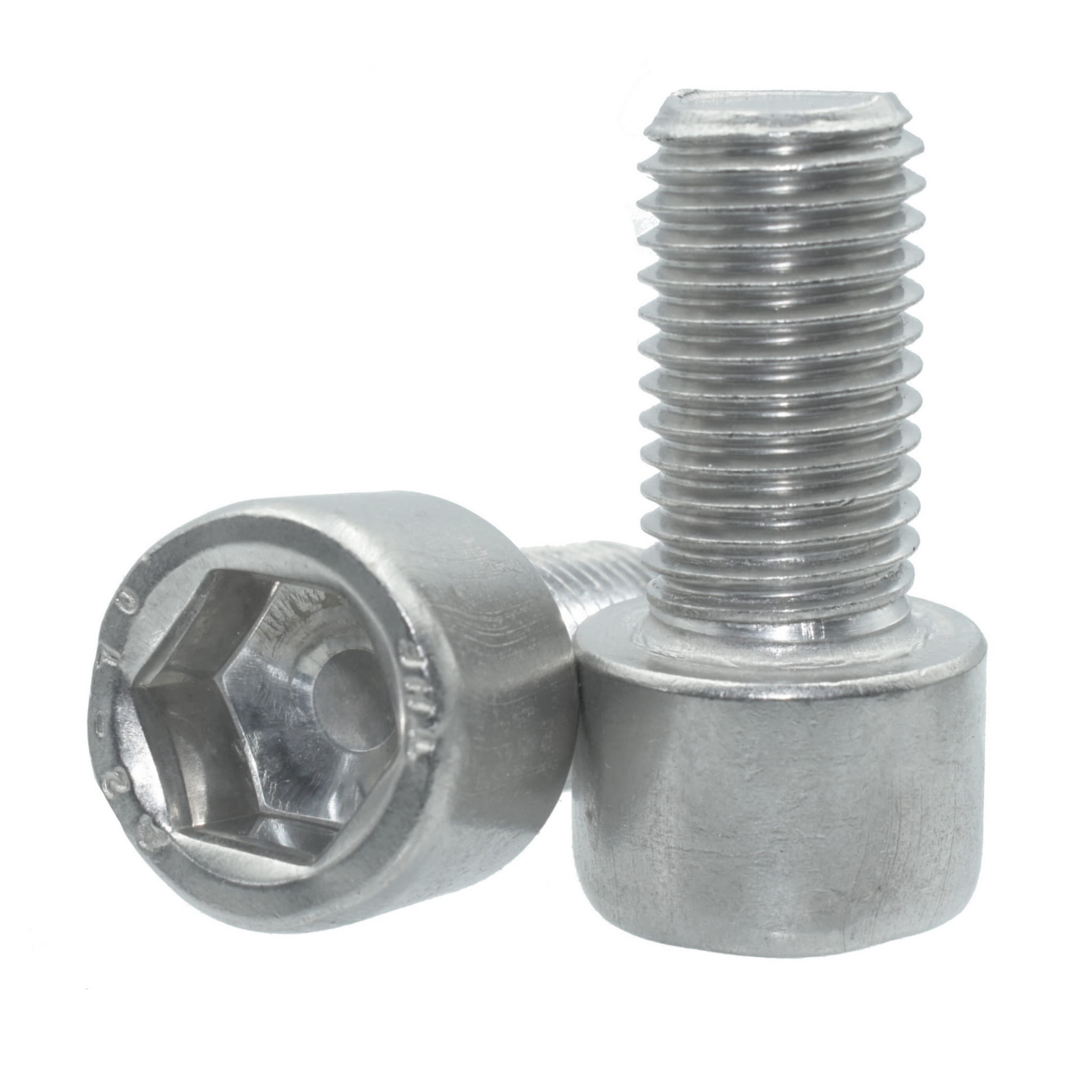 DIN 931
Bullon me pjesë të pafiletuar të trupit, për përdorim në lidhje konstruktive që përballojnë ngarkesa në prerje.
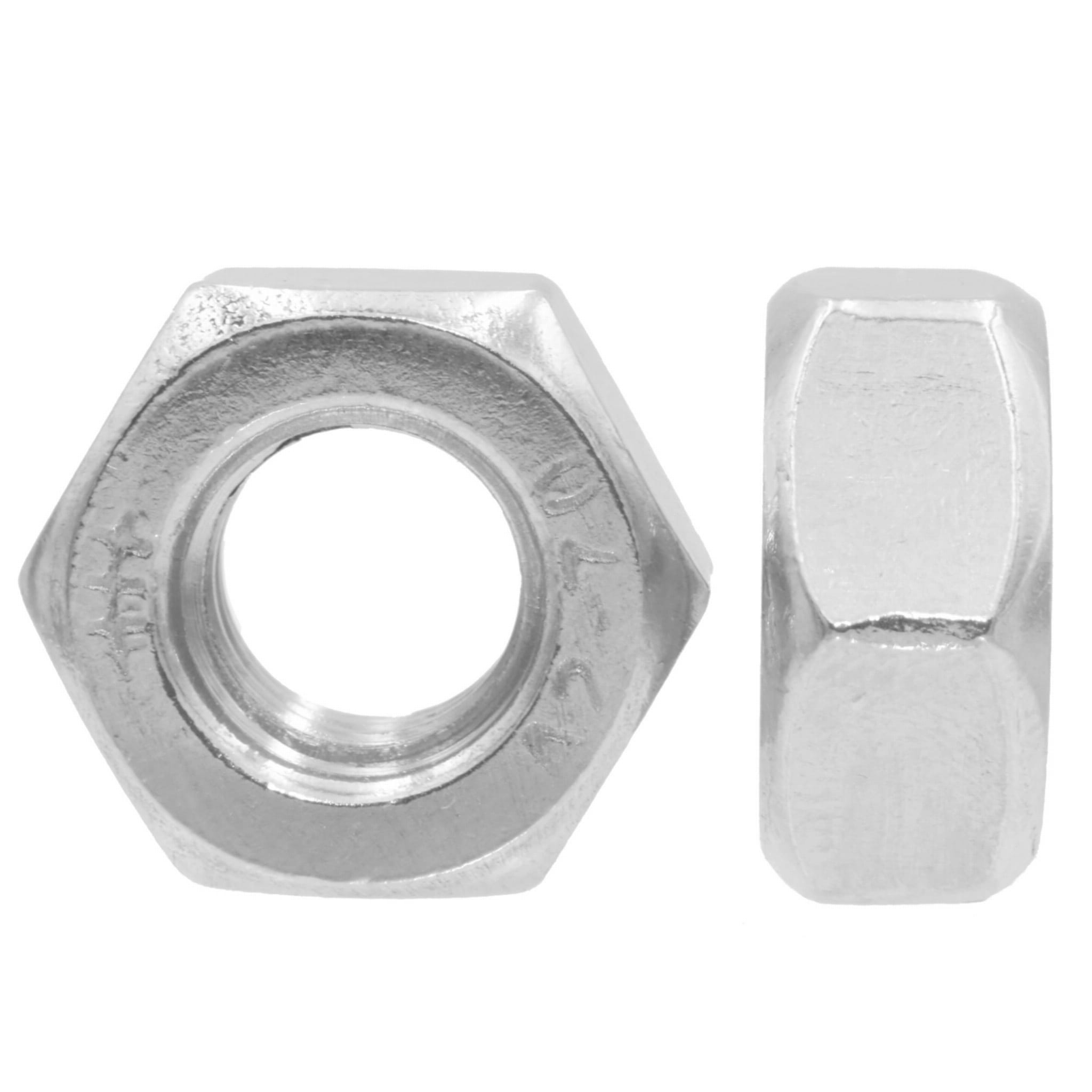 DIN 934
Dado standarde gjashtëkëndore me fileto të brendshme metrike, për montime dhe shtrëngime të përgjithshme.
DIN 912Vidë me kokë cilindrike dhe fole gjashtëkëndore, për montim me çelës imbus në hapësira të kufizuara.
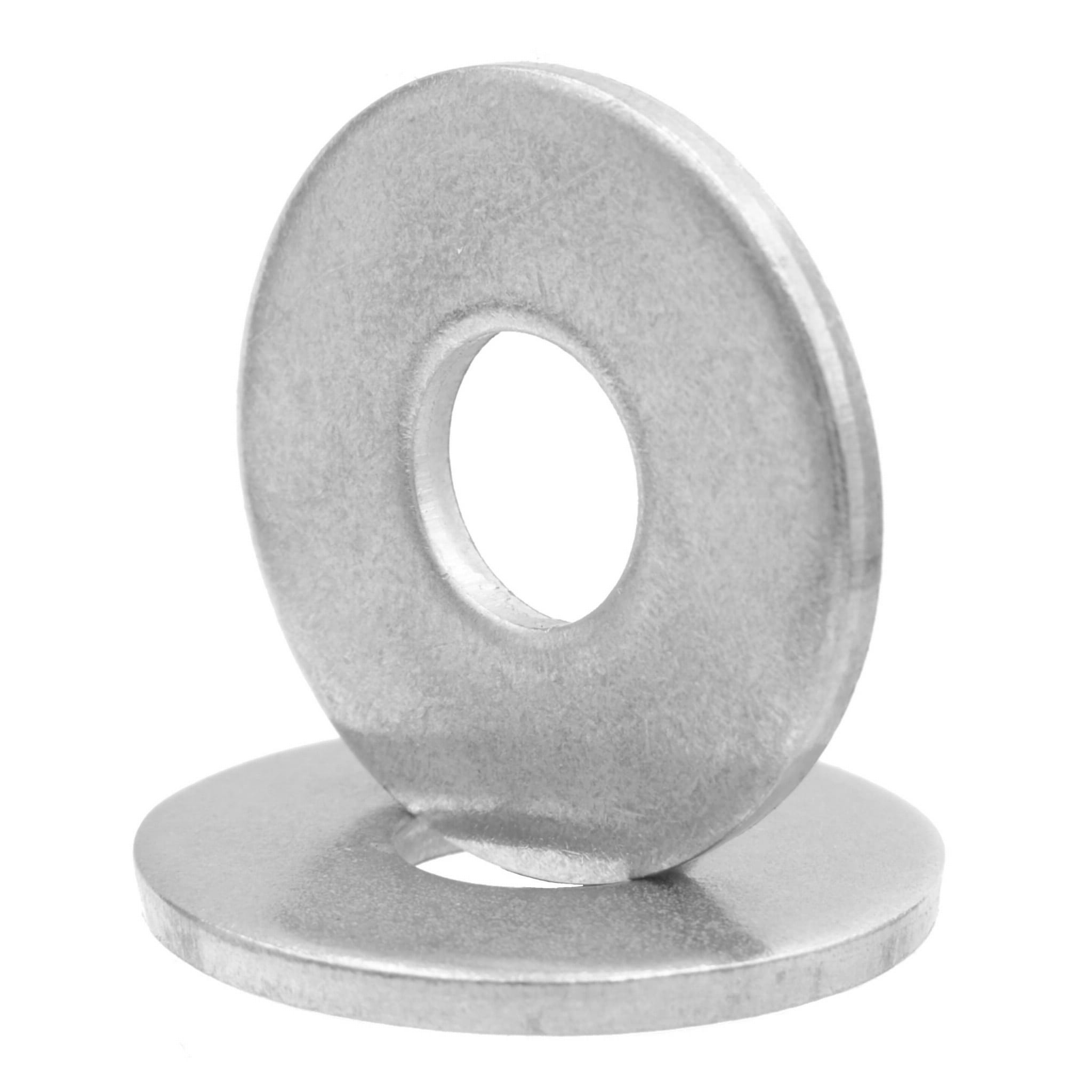 DIN 125
Shpërndan ngarkesën e shtrëngimit në një sipërfaqe më të madhe dhe mbron materialin në kontakt.
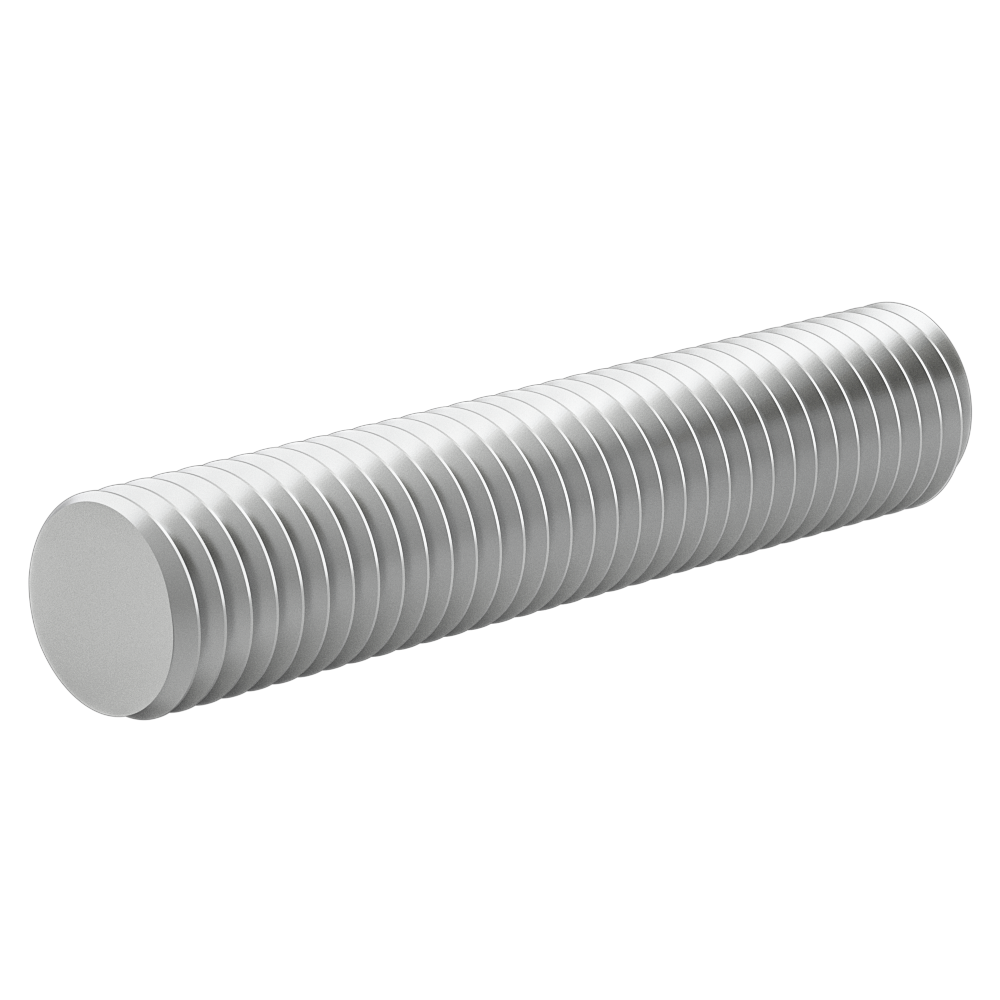 DIN 975
Shufër e filetuar në të gjithë gjatësinë, për ankorime dhe lidhje konstruktive me gjatësi sipas kërkesës.
The two most used materials for stainless bolts. Here is the short difference; for duplex and the full comparison see the detailed page.
The standard choice for general use when the environment has no chlorides.
With molybdenum: far better resistance to salt and chemicals.
| Property | A2 (AISI 304) | A4 (AISI 316) |
|---|---|---|
| fastenerGuide.cmp.composition.label | Cr 17.5–19.5 · Ni 8–10.5 | Cr 16.5–18.5 · Ni 10–13 · Mo 2–2.5 |
| PREN | ≈ 18 | ≈ 24 |
| Chloride resistance | Low | Good |
| Cost | € | €€ |
| Availability | Very good | Good |
A2 is the steel type and 70 is the strength class: one tenth of the minimum tensile strength in MPa, so 700 MPa. Classes 70 and 80 apply to sizes up to M24; above that it is by agreement.
Stainless threads on stainless can lock up and shear during tightening. Use anti-seize lubricant, tighten slowly and don't exceed the recommended torque.
Use bolt and nut of the same material. Contact with carbon steel leaves rust stains, and with Aluminium it causes galvanic corrosion when moisture is present.
For critical loads ask for a certificate with the strength class and heat number. The head marking (A2-70, A4-80) shows the material and class.
This guide is indicative and does not replace an engineer's calculation for critical projects. The real environment (temperature, chloride concentration, cleaning) can change the choice.